My Bathroom Renovation Took Three Months Longer Than Planned, Here Is What I Would Change
/ by Brendan Walsh / Floors, Tiles and Bathrooms
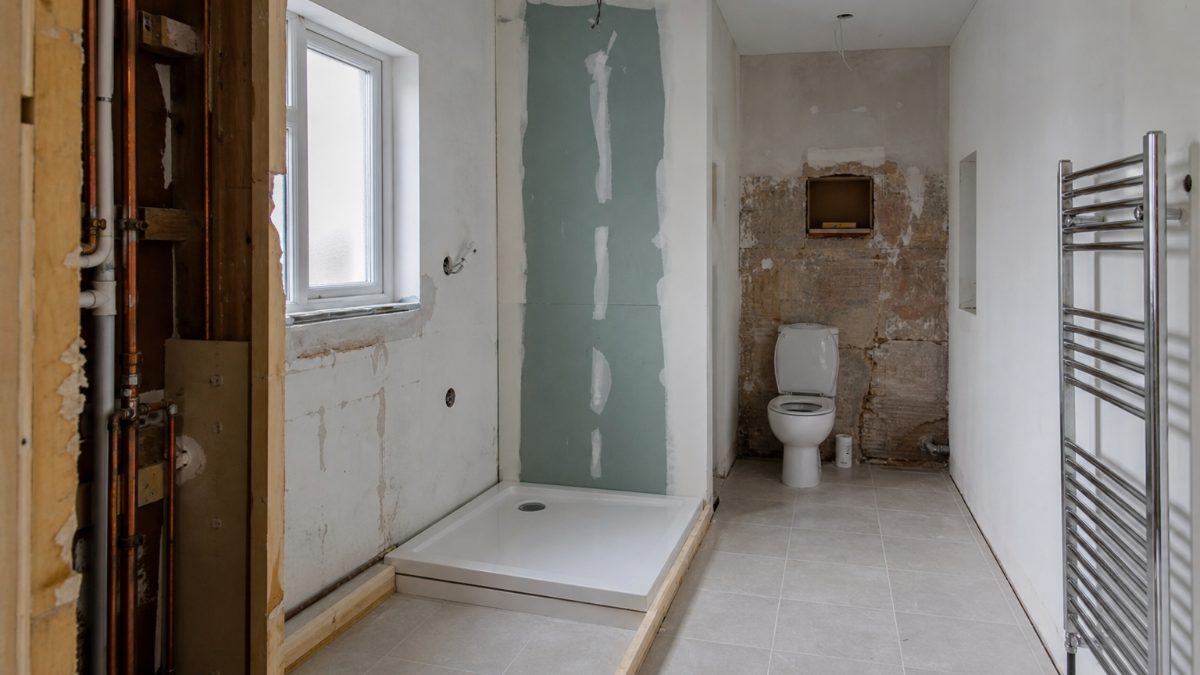
We started our bathroom renovation on the first week of February. I genuinely believed we would have it finished before Easter. We moved back in properly at the start of June, with a half-tiled wall, a brand new suite, and a small but deeply personal grudge against tile suppliers.
This is not a post about everything going perfectly. It is about how a job that looked straightforward on paper turned into something that ate three months of weekends, evenings, and far too many conversations about grout colour.
How it started
The bathroom in our terraced house in Limerick was original to the early 1990s. Everything was beige. The tiles were cracked along the back wall of the shower, the bath panel was warped, and the floor vinyl was lifting at every corner. We had been patching and ignoring it for years. Last winter we decided enough was enough.
We got three quotes. We went with a tiler and a plumber who had worked together before, which felt smart at the time. The tiler told us the job would take about ten days once materials were on site. The plumber reckoned a day and a half for the pipework, two at a stretch. We ordered tiles through a bathroom showroom in the city and were told four to six weeks for delivery. We booked the tradespeople accordingly.
The tiles arrived eight weeks later, not six. Some of them were wrong. The feature tile we had picked for the niche above the bath came in a completely different colourway to what we had ordered. It took another two and a half weeks to get the right ones sent out. By then our tiler had moved on to another job and could not come back for three weeks.
The pipe problem nobody saw coming
While we were waiting on tiles, the plumber came to do his part. That is when we found out the soil pipe from the old toilet had been run directly through the cavity wall rather than boxed internally. It was an unusual route and nobody had picked it up during the initial look around. Rerouting it added two days to the plumber's time and cost us an extra few hundred euro we had not budgeted for. It also meant the wall behind the toilet needed replastering, which added another wait.
One delay fed into the next. The plasterer could not come until the pipe was done. The tiler could not start until the plaster had cured. Each trade was available, just not at the same time anymore. The original ten-day job eventually took about twenty-three working days spread across three months.
What I would actually do differently
Order materials with a bigger buffer than you think you need. Six to eight weeks is what suppliers say. Ten to twelve is what you should plan for, especially on anything imported or on a tile that is not a standard stock item. If the tiles arrive early, they can sit in the spare room. If they arrive late, your whole schedule falls apart.
Get a plumber to do a proper inspection before you finalise any quotes or timelines. Not just a quick look at the fixtures, but an actual check of where the pipes run and whether anything awkward is hiding behind the walls. We paid for this lesson the hard way. If your house is from the 1970s, 80s or early 90s, assume there is something unexpected and price in a contingency from the start.
If you are managing several trades yourself rather than using a main contractor, build in explicit gaps between each one. When we planned it, we had everyone back to back with no slack. Any slip in one booking collapsed the rest. I would leave at least a week of float between the plumber finishing and the tiler starting, just to absorb the unexpected. The post on whether to hire a general builder or manage your own trades covers this tension well and is worth a read before you commit to either approach.
Keep all your material orders documented in writing, including the exact tile code, batch number, and the colourway name. Ours came in wrong partly because there had been a miscommunication between the showroom and the supplier that nobody caught until the boxes were opened in our hallway.
Also, if you are thinking about putting underfloor heating under your new tiles, sort that decision out before the tiler is booked, not after. It is the kind of thing that sounds like a small addition but changes the whole sequence of work. The piece on underfloor heating under tiles explains the specifics better than I can.
The bathroom looks great now, genuinely. Worth it. But I would have made different decisions in the planning stage, and those decisions would have saved us a couple of months of living out of a bucket and borrowing the neighbour's shower.