Autumn Garden Checklist for Irish Homeowners: What to Do Before the Frosts Hit
/ by Brendan Walsh / Gardens and Landscaping
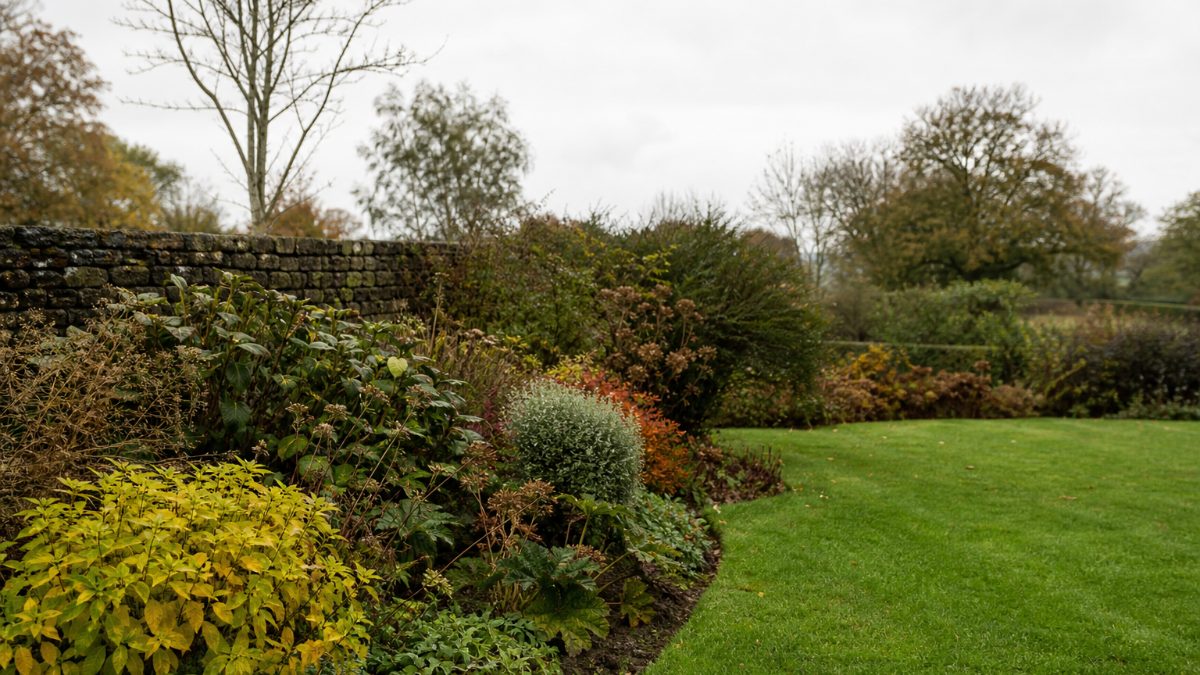
September is usually the last month you can count on a dry afternoon in the garden. By October, the light is going, the ground is getting heavy, and the first proper frost can land earlier than you expect depending on where in the country you are. The midlands and inland parts of Munster tend to see ground frosts weeks before the coast does. It pays to know your area, so keep an eye on Met Éireann's regional forecasts and check when the first frost is expected near you before you act on any of this.
Lawn care
Give the grass one final cut in late September or early October, but do not go too short. Leaving it at roughly 4 to 5 centimetres going into winter stops it sitting wet and rotting at the base. If you have moss or bare patches, now is a decent time to overseed. The soil still holds some warmth and there is usually enough rain to get seed established without you doing a thing. Scarify first if the thatch is thick, rake it out, and get the seed in before the end of September if you can.
Aerate any areas that pooled water last winter. A garden fork pushed in every 15 centimetres or so is enough for a small lawn. It makes a bigger difference than most people expect.
Drainage preparation
This is the one people leave too late. Clear your gullies and outdoor drains now, before the leaves really start to come down. A blocked drain in November is a job done in the rain and cold. Check any soakaways around paths or patios too. If water sat in those areas last winter, autumn is the time to address the cause rather than just deal with the puddles again. If you have a block-paved driveway or path, check that the joints have not been washed out, as that is usually where drainage problems start.
If you are thinking about improving your paving or driveway surface to handle Irish rainfall better, there is a useful comparison of which driveway surfaces suit the Irish climate that covers drainage as part of the decision.
Protecting tender plants
Dahlias, cannas, and anything you grew from a tender bulb or tuber needs to come up before the first hard frost hits. Let the foliage die back naturally after the first light frost, then lift, dry off the tubers, and store them somewhere frost-free in a cardboard box with a bit of dry compost or newspaper. A shed that does not freeze works fine.
Pots are more vulnerable than beds because the roots have no ground insulation. Move them close to the house wall or wrap them in a couple of layers of horticultural fleece. Terracotta is the main casualty every winter, so if you have pots you are fond of, get them under cover or at least turn them upside down.
Half-hardy shrubs like tree ferns or echiums benefit from a wrap of fleece or hessian around the crown. Tie it loosely so there is still some airflow. It looks a bit rough but it works.
Get the worst of this done before the clocks change. After that, the motivation tends to disappear along with the daylight.