What Is Rising Damp and Is That Actually What You Have?
/ by Brendan Walsh / Roofing and Damp
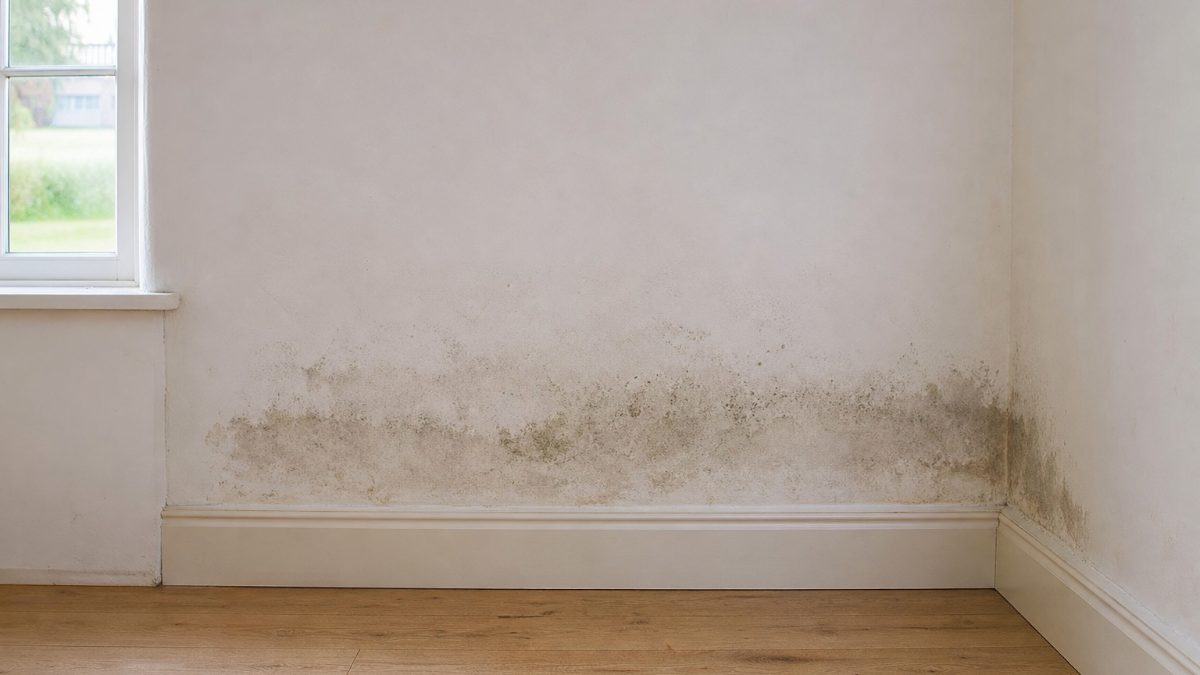
Damp is one of those words that gets thrown around a lot, by estate agents, by surveyors, by the person who did your neighbour's attic conversion. And nine times out of ten, when someone says "rising damp", they mean something they spotted on a wall and cannot explain. The trouble is, rising damp is actually one of the less common causes of damp in Irish homes. It gets blamed for a lot of things it did not do.
So here is a plain explanation of what it actually is, what it is not, and how to get a rough sense of which problem you are dealing with before you spend money on the wrong fix.
What rising damp actually means
Every building sits on ground that contains moisture. In older Irish homes, particularly anything built before the 1960s or so, there was often no damp-proof course, or the one that exists has broken down over time. A damp-proof course is basically a barrier, a layer of slate, bitumen, or plastic sheeting built into the wall just above ground level, designed to stop groundwater wicking upward through the masonry.
When that barrier is missing or has failed, moisture from the soil can travel up through the wall by capillary action, the same way a sponge soaks up water from a wet surface. That is true rising damp.
It tends to show up as a tide mark on the lower part of an internal wall, usually no higher than about a metre from the floor. The plaster can feel damp to the touch, salts sometimes crystallise on the surface as the water evaporates, and the skirting board often takes a beating. The smell is a damp, earthy one.
Genuine rising damp is relatively rare, and it is almost always confined to older properties. If your house was built in the last forty years, it almost certainly has a functioning damp-proof course, which means rising damp is unlikely to be your problem.
Condensation gets mistaken for it constantly
Condensation is by far the most common cause of damp problems in Irish homes, and it looks similar enough to rising damp that people mix them up all the time.
What happens is this: warm, moist air inside the house hits a cold surface, usually an external wall, a window reveal, or a corner behind a wardrobe, and the moisture in the air drops out as water. Over time that water feeds mould growth, makes plaster soft, and leaves dark staining. It tends to appear higher on walls than rising damp, and it is often worst in bedrooms and bathrooms.
The causes are pretty predictable: poor ventilation, too much moisture being generated inside the house (cooking, drying clothes indoors, long showers), and cold surfaces that have no insulation behind them. Irish winters make this worse because we keep windows shut for months and our older housing stock is often cold and poorly ventilated.
Condensation will not be fixed by injecting a chemical damp-proof course into your walls. It needs ventilation, sometimes insulation, and a change in how the house breathes.
Penetrating damp is the third culprit
Penetrating damp comes from outside, through a defect in the building fabric. A cracked render, a failed window seal, a blocked or broken gutter, porous brickwork, or a leaking roof can all let water in. Unlike rising damp, which appears at the base of a wall, penetrating damp can appear anywhere, including upper floors and ceilings, and it tends to get worse during and after heavy rain.
This is an important distinction. If the damp patch appears or grows noticeably after a spell of wet weather, penetrating damp or a roof issue is far more likely than anything coming up from below.
Penetrating damp usually has a fairly clear source if you are willing to look. Stand outside in the rain and check gutters, downpipes, window sills, and any point where two materials meet. Gaps in pointing, cracked sills, and overflowing gutters are extremely common in Irish homes and cause a surprising amount of internal damage.
How to tell them apart before calling anyone out
A few things worth checking yourself first. Look at where on the wall the damp appears. Below a metre, possibly rising damp or a drainage problem outside. Higher up, more likely condensation or penetrating damp. Check whether it gets worse after rain, which points to a building defect rather than a failed damp-proof course. Feel whether the wall is cold even in a heated room, which often points to condensation on a poorly insulated surface.
If you are getting black mould in multiple rooms, behind furniture and in corners, the answer is almost always ventilation and condensation, not rising damp.
The reason this matters is simple: a damp-proofing contractor will often diagnose rising damp because that is the service they sell. Getting an independent survey from someone who does not also do the remedial work is usually worth the cost before you commit to anything.